Regenerated Yarn Production 

Sustainable Textile with Recycled Fiber - Karabulut Foreign Trade

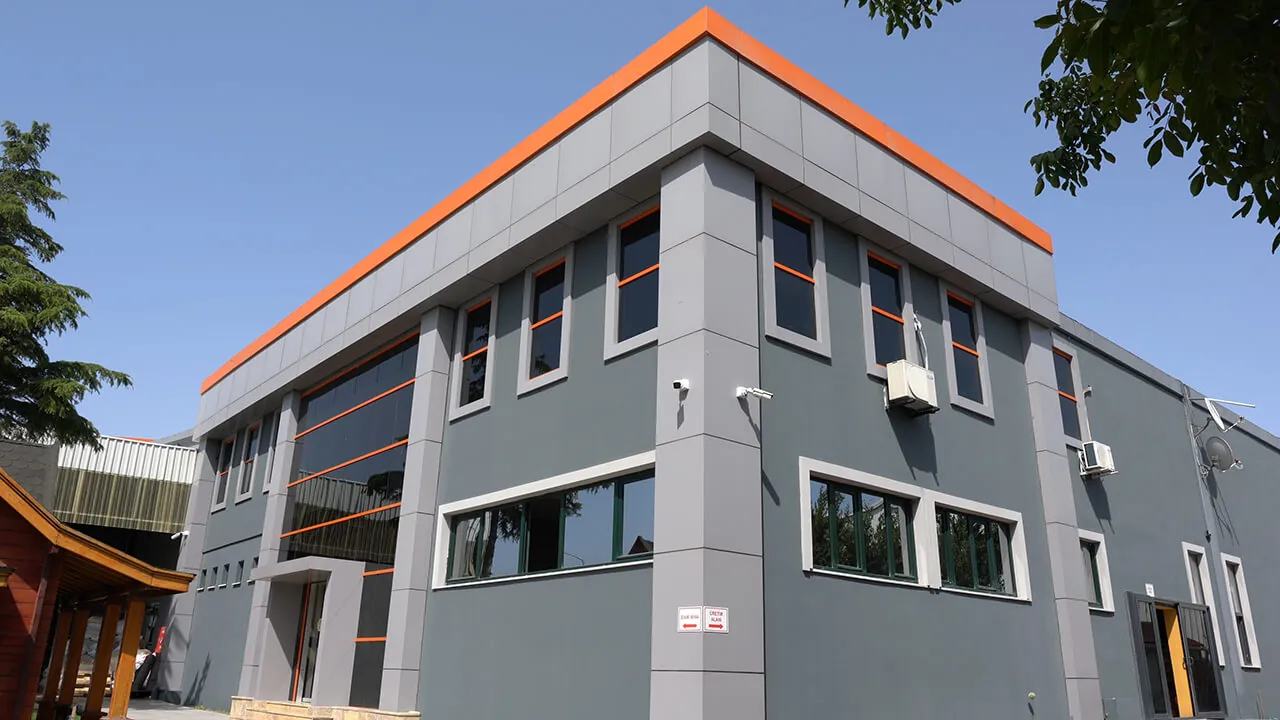
Karabulut Foreign Trade, since 1987. regenerated yarn production Turkey's leading company operating in the field of from recycled yarn producers is one of them. We create environmentally friendly and sustainable production processes by recycling fabric waste and waste fibers generated during textile production with modern recycling technologies. 15.000 m² tons of textile waste every day in our facility with a closed area. high quality regenerated cotton yarn and mixed regenerated yarn reproduced as the "new".

As Karabulut Foreign Trade, recycling yarn factory We continuously improve our infrastructure, and we are developing our infrastructure with energy-efficient machines and innovative production techniques. sustainable textile production we provide. Our production line GRS (Global Recycled Standard) and ISO 9001 quality management systems; thus, each product becomes a reflection of our environmentally sensitive production approach.

Reduces consumption of natural resources, saves water and energy regenerated fiber production We add value to both the environment and the industry with our solutions. Karabulut Foreign Trade, is not only a manufacturer, but also a reliable business partner contributing to the sustainability of the circular economy. Our recycled yarns are safely used in cleaning cloths, knitwear, padding and industrial textiles.

What is Regenerated Yarn?

Regenerated yarn, is an environmentally friendly and economical type of yarn obtained by recycling fabric waste and unused fibers generated during textile production. These yarns are used in the textile industry by reducing the consumption of natural resources. sustainable production has become one of its strongest representatives. Recycled fibers are reprocessed in modern machines yarns with high durability is transformed. This process not only reduces the amount of waste, but also reduces the carbon footprint and contributes to the circular economy.

Karabulut Foreign Trade with more than 35 years of experience regenerated yarn production quality, durability and environmental responsibility. The materials used in our production line energy efficient technologies and precise quality control processes we produce environmentally friendly yarns that are trusted in both local and international markets. Each yarn is the product of professional engineering and environmental awareness, contributing to a sustainable future.

Regenerated yarns can be produced in different blends and counts for use in cleaning cloth, knitwear, filling material and industrial textiles. Regenerated cotton and mixed fiber yarn Our varieties offer both ecological and economic benefits by making textile waste recycling efficient. Regenerated yarn in this respect, ecological yarn is the ideal solution for producers looking for the best solution.

How Does Failure to Dispose of Textile Waste Damage the Environment?

Fiber Recycling to Yarn

Regenerated yarn production Our process starts with the careful sorting of textile waste. After the waste fabrics are sorted according to color and quality criteria, fiber opening machines processed into reusable fibers. These fibers are processed into mixture ratios blended accordingly and given a uniform fiber structure in carding lines. In the final stage, modern yarn spinning technologies into high tenacity, homogeneous and environmentally friendly yarns. Thanks to this process, each waste part is recycled back into the production chain. circular economy into a valuable raw material.

Quality Control and Technology

Karabulut Foreign Trade regenerated yarn plant, is designed in accordance with international quality standards. Each production batch, strength, color consistency, twist stability and Flexibility is rigorously tested on criteria such as. GRS (Global Recycled Standard) Our certified production processes guarantee that products are produced in a fully traceable and environmentally friendly way. Measurements in our quality laboratories ensure that we offer yarn of the same durability and performance to every customer. This approach ensures both yarn production technology and in terms of customer satisfaction, it puts us in a leading position in the sector.

Energy Efficiency and Environmental Awareness

All systems used in our production facility, energy efficient textile production principles. With low carbon emission machines, closed circuit dust collection systems and recycling infrastructures, our production process is carried out with minimal impact on the environment. Modern equipment used in fiber opening and spinning lines increases production capacity while optimizing energy consumption. Thus, a sustainable production model is created both economically and ecologically. As Karabulut Foreign Trade, our goal is to ensure that every yarn is not only of high quality but also the product of an environmentally sensitive production approach.

Waste minimization

Thousands of tons of textile waste are brought back into the production cycle every year.

Carbon footprint reduction

Prevents environmental pollution by reducing the need for new raw materials.

Water and energy savings

less water consumption than conventional cotton production.

Economic advantage

Provides companies with lower raw material costs.

Expert Staff and R&D Competence

Karabulut Foreign Trade, owes its success in regenerated yarn production to its experienced staff and innovative R&D approach. Engineers and technical experts working on our production line, regenerated fiber and yarn technologies has many years of know-how in recycled yarns. Each of them manages modern production processes to raise the quality standards, increase the durability and reduce the environmental impact of recycled yarns.

Our R&D department, performance of recycled yarns in the textile industry and continuously improve production processes. Thanks to studies on new blend formulas, fiber blending techniques and color stability, more efficient and sustainable solutions are being developed every day. In addition, in order to produce in compliance with international quality standards strength tests, twist analysis and moisture balance laboratory studies are being carried out.

With over 35 years of experience and an innovation-based approach, we respond not only to the textile needs of today but also to the textile needs of the future. The vision of our expert staff, “an environmentally sensitive touch in every yarn” is to combine sustainable textile production with scientific foundations.

Regenerated Yarn Frequently Asked Questions

I've never bought regenerated yarn before. I'm afraid it might be of poor quality, how can I be sure?

This is a very normal concern. The quality of regenerated yarn depends on how the company separates the waste and how much control it has in production. Reliable producers separate fabric waste by color, fiber type and quality, then carry out opening, blending and spinning in a standardized way. The clearest method is to ask for a sample. You can try the sample on your own production and check for breakage, pilling and evenness. Also ask the manufacturer for yarn count, blend ratio and test information. Professional companies share these clearly. This way, you will choose the right yarn for your business instead of a “cheap but problematic” product.

Is regenerated yarn really economical, or will it cause problems in production and cost more?

If the right yarn is chosen, it is really economical. Because the raw material cost is lower and it provides a serious advantage in large volume purchases. But if the wrong quality is chosen, breakage increases, machine downtime increases and wastage rises. This increases the cost. Therefore, “stable quality” is as important as price. Before purchasing, it is necessary to test samples, check yarn twist balance and strength. If the manufacturer can maintain the same standard, regenerated yarn is advantageous in terms of both cost and sustainability in the long run. The price/performance ratio is quite high, especially in areas such as cleaning cloth, knitwear and filling material.

I need to order urgently. How many days can you ship, is there any stock?

The most critical issue in urgent orders is the stock and production plan. While some types of yarn can be produced continuously and kept in stock, some blends are prepared only on order. Therefore, yarn count, color (raw/colored), blend ratio and total tonnage should be clarified at the first meeting. The company then gives you a realistic production + shipment time. Professional manufacturers may offer shorter deadlines for standard products for fast shipment. Logistics time should also be taken into account if there is export or out-of-town delivery. The best approach is to write down your requirements clearly, “how many tons, which number, which use” and get a deadline confirmation with a sample.

What makes this company different from other yarn manufacturers? Why should I buy here?

What makes the difference in regenerated yarn is production discipline rather than sustainability claims. Good companies do waste segregation properly, can produce the same blend over and over again and keep the quality constant. In addition, certification (such as GRS) and a quality management system (such as ISO 9001) are an important sign of trust. Another difference is technical support: instead of telling you that “any yarn will do”, they should recommend the right yarn for your application. Also, companies with high production capacity can ensure continuity for large orders. In short, it is best to make your choice based on price + quality stability + deadline + transparency.

What do I do if there is a tonal difference in the yarn when my order arrives? Is there consistency in the same color?

Hue difference is one of the most frequently asked questions in regenerated yarn because the raw material comes from waste, so there can be natural variability. However, to reduce this, professional manufacturers separate the waste by color and control the blending process. Nevertheless, small differences can still be seen, especially in light shades. Therefore, if you are making mass production, it is safest to buy a single batch (single lot). It is also a good idea to request production with a lot number when ordering. When you receive the product, it is recommended to open a few bobbins and test them in production as a first check. Good companies provide support in this regard and try to maintain the same standard in repeat orders.

How are the yarns packed? Will it be damaged in transportation?

Regenerated yarn is usually shipped in sacks, parcels or palletized shipments. The important thing here is to protect the bobbins from moisture and dust. Good manufacturers prepare the products in neat windings, make the packaging robust and prevent disintegration during transportation by palletizing. Stretching and labeling are critical, especially for long distance shipments. In addition, yarn number, lot information and weight information should be written on the products. In order to reduce the risk of damage during transportation, the packaging should be checked upon delivery and a report should be filed immediately if there is a torn or wet package. When the correct packaging is done, there is no serious problem in yarn shipment.

Is it really certified production? ‘Sustainable’ is something everyone says.

You are right, sustainability can now be used like a marketing word. That's why documents are important, not claims. Certifications such as GRS check the traceability of recycled content used in production and environmental criteria. Systems such as ISO 9001 show that production processes are managed in a standardized manner. As a customer, you can ask for the certificate number, current document date and scope. It is also important to know whether the manufacturer has a quality control laboratory and whether it conducts batch testing. Transparent companies do not hesitate to share this information. So you can distinguish between “real sustainable production” and companies that only advertise.

I used it in production, but the breakage rate increased a bit. Is this normal, is there a solution?

The breakage rate of regenerated yarn can vary depending on the selected yarn count, blend ratio and machine settings. If you have used virgin yarn before, it is normal to experience a setting mismatch on the first try. Several steps are recommended for a solution: First check the yarn's twist balance and tenacity values. Then optimize the machine tension settings and speed. For some products, choosing a thicker count or a different blend can significantly reduce breakage. The moisture balance is also important; too dry an environment can make the yarn more brittle. Good manufacturers can provide technical support and suggest suitable alternatives. If the problem is persistent, it makes sense to request a lot change or a different blend.

How is the return/exchange process if there is a problem after ordering? Is there a guarantee before making a large purchase?

The safest method for large purchases is to proceed with a sample + small trial order first. Because the standard of each factory may be different in regenerated yarn. Professional companies share product information clearly before shipment and make batch-based evaluations in case of post-delivery complaints. If the product is different from the ordered count or blend, exchange is usually possible. However, returns are not always easy after it has been used in production. This is why it is very important to do an entry check immediately upon receipt. In addition, lot information, tolerance ranges and quality criteria should be written in the order contract. This way, both you and the manufacturer can proceed in a clear framework.

If I buy this yarn regularly, will I get the same quality every time?

The most critical issue in long-term supply is continuity. Since the raw material source may change in regenerated yarn, some companies may have difficulty in maintaining the same standard. However, companies with a strong production infrastructure can keep the quality constant by standardizing waste separation and blending processes. If you want to work on a regular basis, it is better to make an agreement on a specific product code, blend ratio and quality tolerance. In addition, planning a large order with a single lot reduces ton difference and performance variation. In regular supply, open communication with the company and short tests on each shipment minimize risks. When working with the right manufacturer, regenerated yarn becomes a secure supply model in the long term.
Get Wholesale Offer
linkedin facebook pinterest youtube rss twitter Instagram facebook-blank rss-blank linkedin-blank pinterest youtube twitter Instagram