50 tons daily recycling capacity
Textile disposal is the process of disposing or recycling textile products that have completed their useful life in a way that does not harm the environment. As Karabulut Foreign Trade, with 35 years of experience, we offer expertise in processing textile wastes with professional methods and disposing them in a way that protects the ecological balance. The rapid production cycle of the textile industry and changes in consumption habits lead to the generation of millions of tons of textile waste every year. Disposing of these wastes with the right methods is critical for both environmental sustainability and resource management.
Our textile disposal processes are carried out in accordance with the standards of the Ministry of Environment and Urbanization and environmentally friendly approaches are adopted. In our 15,000 m² closed area, we transform 50 tons of waste fabric into fiber and machine cloth per day and ensure that textile waste is brought back into the economy. Our professional textile disposal services include surplus fabrics, defective products, end-of-life textile products and all wastes arising from the textile production process.

FAKE TEXTILES AND
GARMENT PRODUCT DISPOSAL
Textile disposal is the process of disposing or recycling of waste from textile production processes and end-of-life textile products in an environmentally sound manner. This process involves the collection, sorting, processing and recycling of waste fabric pieces. Today, the textile industry is one of the industries with the highest environmental impact in the world in terms of water consumption and chemical use. Considering the amount of water and chemicals used in the production of textile products, the environmental damage that may occur if these products are not disposed of properly is quite large.
The importance of textile disposal should be evaluated in terms of protecting the ecological balance, efficient use of natural resources and creating economic value. Research shows that each ton of textile waste that is not disposed of correctly causes approximately 15 tons of CO₂ emissions (Textile Exchange, 2023). Professional textile destruction services both prevent these emissions and ensure that the valuable raw materials contained in waste textile products are brought back to the economy. As Karabulut Foreign Trade, the destruction services we offer contribute to environmental sustainability while at the same time offering an economic solution to manufacturers in waste management.
| Benefits of Textile Destruction | Statistical Data |
|---|---|
| Carbon Emission Reduction | CO₂ savings of 15 tons per ton |
| Water Saving | 2,500 liters per kilogram |
| Raw Material Recovery | of textile waste can be reused |
| Reduction in Chemical Use | Reduction of through recycling |
Failure to dispose of textile wastes properly causes serious damage to the environment. Textile products left in natural environments cause soil and water pollution due to the synthetic fibers and chemical dyes they contain. While it takes up to 5 years for a cotton t-shirt to completely dissolve in nature, textiles made of synthetic materials such as polyester can decompose in more than 200 years (Environmental Protection Agency, 2024). During this time, chemicals leaching from textiles enter the soil and groundwater, damaging the ecosystem. In addition, microplastics are released during the decomposition process and these microplastics threaten human health by entering the food chain.
The disposal of textile waste by incineration also causes the release of harmful gases into the atmosphere. Especially when textile products containing synthetic fibers are burned, carcinogenic chemicals such as dioxin and furan are released. According to World Health Organization data, these chemicals released as a result of uncontrolled textile incineration increase the risk of respiratory diseases, hormonal disorders and cancer (WHO, 2023). Disposal or recycling of textile wastes with professional methods is the most effective way to prevent these damages. As Karabulut Foreign Trade, we have all the necessary technical equipment and expertise to dispose of textile waste without harming the environment.
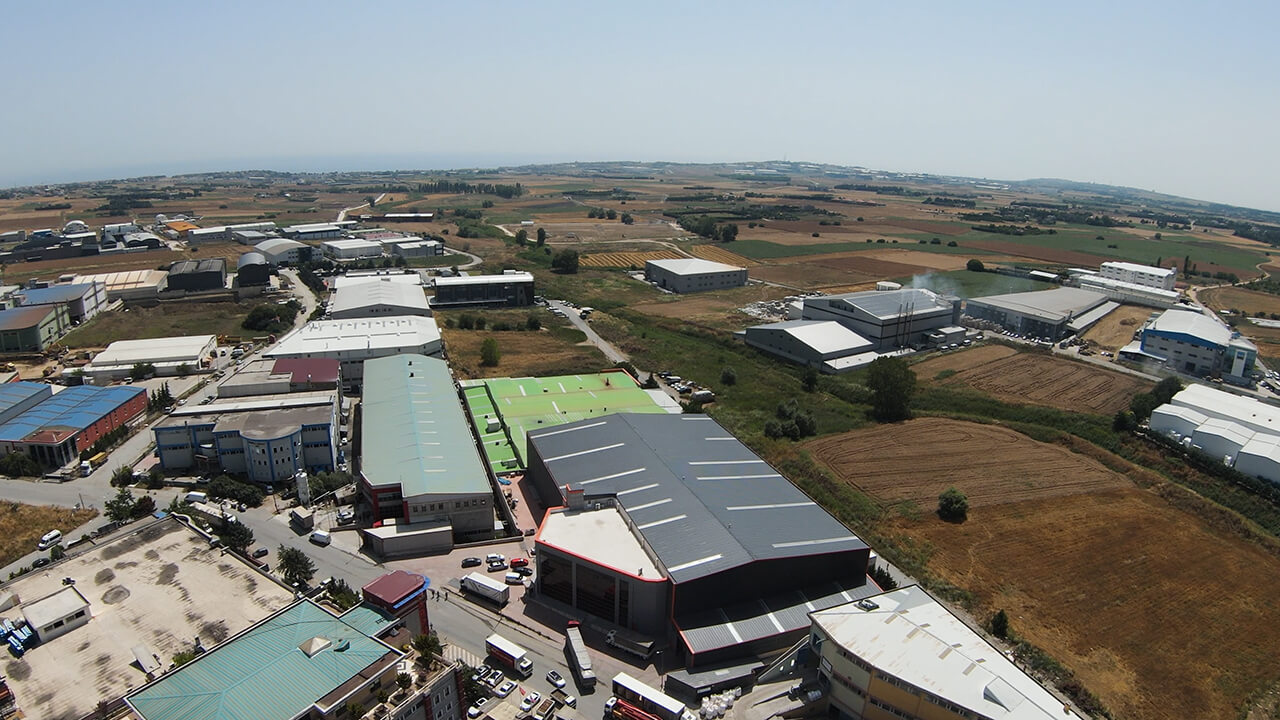
As Karabulut Foreign Trade, our textile destruction process is managed with a comprehensive system that extends from the collection of waste textile products to their recycling. In the first stage, waste textile products collected from textile manufacturers and garment companies are brought to our facility where they are classified according to their types. In our 15,000 m² closed area, we transform the collected textile waste into fiber and machine cloth thanks to our technological infrastructure that allows the processing of 50 tons of waste fabric per day. During the classification of textile waste, sorting is carried out according to material type, color and quality, and the most appropriate recycling or disposal method is determined for each group.
In the second stage of the disposal process, the classified textile wastes are shredded into fibers with the help of special machines. The fibers obtained are stored separately according to their types and colors and prepared to be used as raw materials in the production of new products. This process is carried out in accordance with the standards approved by the Ministry of Environment and Urbanization and is regularly audited. As Karabulut Foreign Trade, we offer an environmentally friendly and economical disposal process thanks to our 35 years of experience and expertise in recycling textile waste. Moreover, we save billions of tons of water and energy as colored fibers do not need to be re-dyed.
| Destruction Process Stages | Technology Used | Outputs Achieved |
|---|---|---|
| Collection and Classification | Optical Separation Systems | Categorized Textile Waste |
| Shredding and Grinding | Industrial Grinders | Homogeneous Textile Particles |
| Fiber Forming | Fiber Conversion Machines | Fibers in Various Colors |
| Quality Control | Spectroscopic Analyzers | Standard Compliant Fiber Products |
| Storage and Shipment | Automated Storage Systems | Market Ready Recycled Fibers |
The sustainable utilization of textile waste is an effective way to reduce your environmental footprint while also generating economic benefits; production scraps and offcuts, defective products, end-of-season inventory, or textile products no longer part of a collection can be transformed into a valuable resource using the right methods, According to a study published in the *Journal of Cleaner Production*, fibers produced through the recycling of textile waste consume less energy compared to new raw materials (Zhang et al., 2022), The first step in this process is sorting the waste at the source based on material type, color, and quality; for example, when cotton fabrics, polyester fabrics, blended-fiber fabrics, and lining pieces are collected separately, higher-quality fibers can be obtained, At Karabulut Dış Ticaret, we offer waste management consulting to ensure the efficient utilization of your textile waste. By analyzing your production processes, we help you optimize your waste management strategy and achieve your sustainability goals.
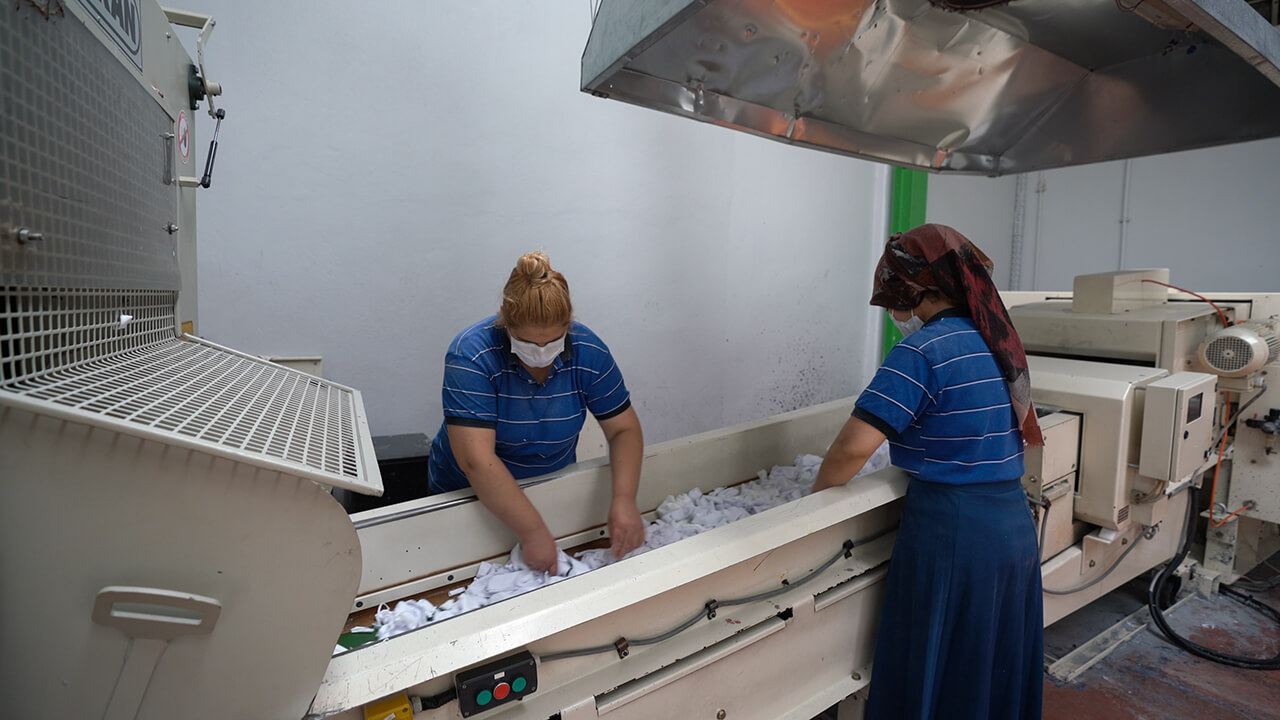
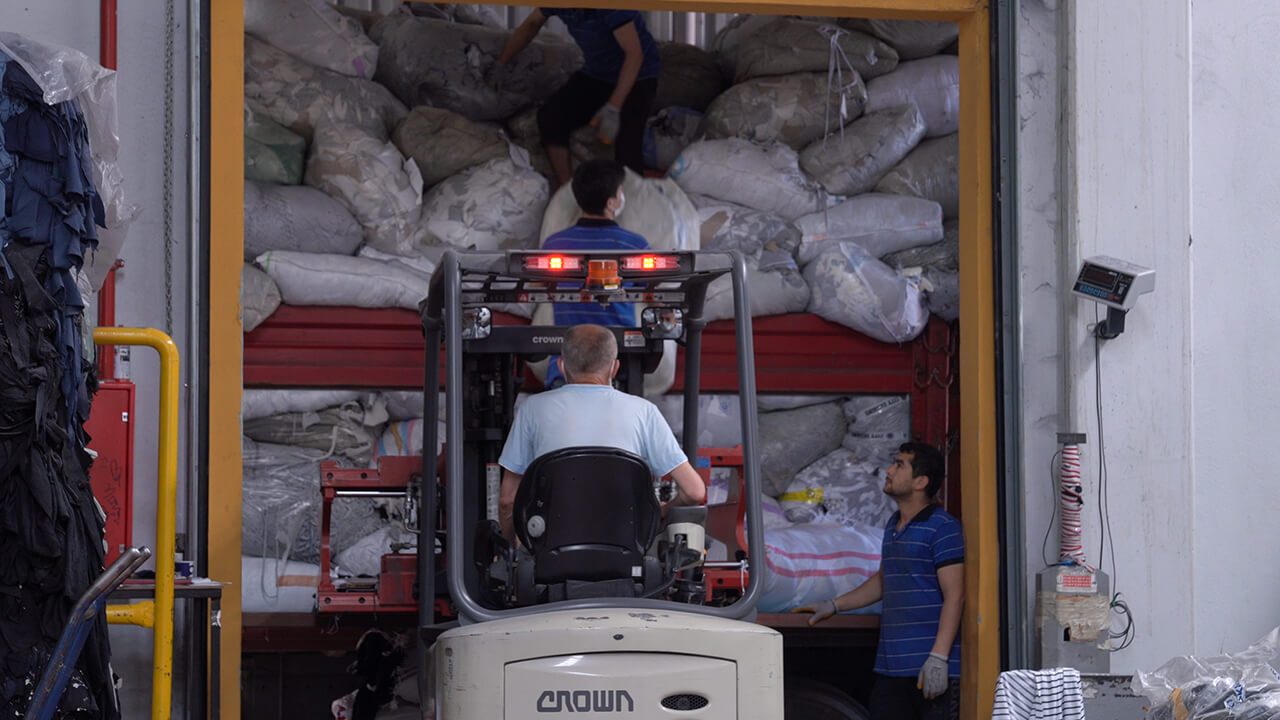
Various types of waste generated in the textile industry can be managed through professional disposal and recycling methods. At Karabulut Foreign Trade, we process natural and synthetic fabrics—such as cotton, polyester, nylon, acrylic, viscose, and rayon—as well as blended fabrics. In addition to production scraps and trimmings, fabric offcuts, yarn waste, garment cutting scraps, and fabric samples, we also handle end-of-life garments, defective products, end-of-season stock, unusable home textile products (sheets, bedding, curtains, towels, etc.), and textile products exposed to intensive chemical treatments can be recycled at our facility. According to data from the International Textile and Apparel Federation, waste generated from textile production accounts for approximately of the total volume; we offer specialized disposal solutions for fabrics containing high levels of spandex, coated textiles, laminated fabrics, and certain technical textiles.
| Disposable Textile Waste | Suitable Recycling Method |
|---|---|
| Cotton Fabric Trimmings | Mechanical Recycling (Fiber Production) |
| Polyester Fabric Waste | Chemical Recycling (Polymer Production) |
| Garment Cutting Scraps | Mechanical Recycling (Fiber Production) |
| Dyed Textile Products | Color Sorted Recycling |
| Mixed Fiber Textile Wastes | Composite Material Production |
As Karabulut Foreign Trade, with 35 years of experience and expertise gained since 1987, we are one of Turkey’s leading companies in the professional disposal and recycling of textile waste. At our facility, which operates in a 15,000 m² enclosed area, we have the capacity to process 50 metric tons of textile waste per day using state-of-the-art machinery and a team of 65 experienced employees. With certifications approved by the Turkish Ministry of Environment and Urbanization and production processes compliant with international standards, we ensure that waste is disposed of without harming the environment. Our partnerships with leading companies in the textile sector and our export activities to more than 50 countries are a testament to our quality, Additionally, with our comprehensive service approach, we manage the entire process—from the collection of your waste to the marketing of recycled products. This integrated approach simplifies your waste management process while optimizing your costs, By providing detailed documentation of the disposal process, we supply the necessary data for sustainability reports. According to a study published in the journal *Environmental Science & Technology*, companies that utilize professional textile waste management services can reduce their carbon footprints by up to (Brown et al., 2023).


Turkey's well-established name in textile recycling since 1987. 15.000 m² facility, 65 employees, regular exports to 50+ countries. From waste to superior product, on a sustainable scale.

Contact us via the form and we will respond within 24 hours.